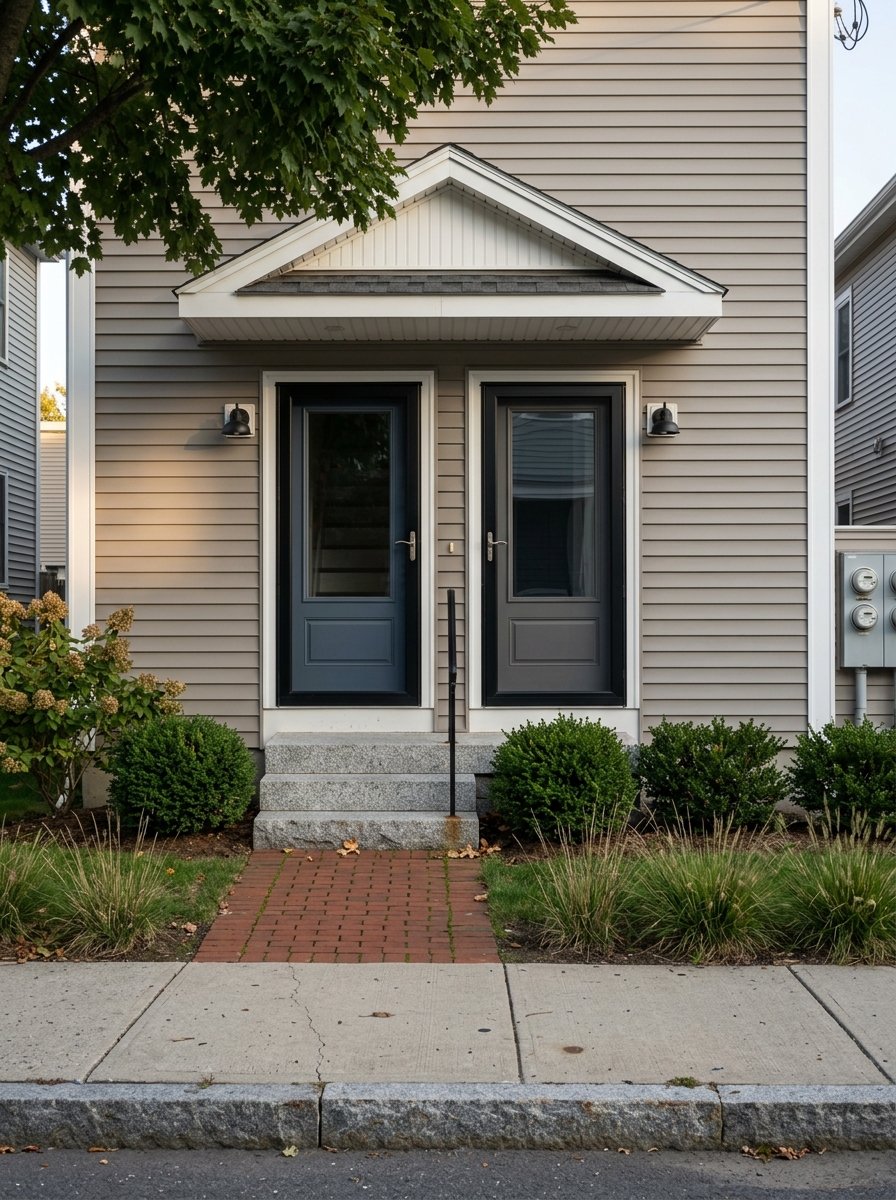
Investing in Lowell, MA Multifamily Homes: A Buyer's Guide
July 23, 2026
July 23, 2026
If you are thinking about buying a multifamily property in Lowell, you are not alone. Lowell has a renter-majority housing market, a deep supply of small and mid-size multifamily buildings, and an ongoing need for more housing, all of which make it a market worth a closer look. The key is knowing how to separate a promising property from one with hidden costs, and that is exactly what this guide will help you do. Let’s dive in.
Lowell stands out because multifamily housing is a major part of the city’s residential stock, not a side category. The city’s planning data shows that 29% of residential properties are 2 to 4 unit buildings, 16% are 5 to 19 units, and 17% are 20 or more units. For you as a buyer, that means there is a real base of multifamily inventory and a market that is used to this type of housing.
The renter base also matters. Census QuickFacts shows Lowell has a 43.2% owner-occupied housing rate, which means renters make up the majority of households. That supports the case for long-term rental demand, especially when you pair it with the city’s own planning report showing a need for at least 2,502 additional housing units based on growth projections.
Just as important, Lowell’s housing shortage is not limited to one price point. The city says there are shortages at both the lowest and highest rent tiers. That tells you demand is not simply about filling any vacancy. It is about offering the right unit mix, condition, and pricing for the specific part of the market your building will serve.
In Lowell, small multifamily properties are a core part of the landscape. Two-family, three-family, and four-family buildings can be especially attractive if you want a more manageable entry point or a property where you can phase improvements over time. Mid-size and larger multifamily buildings also have a meaningful presence, which gives you a broader range of options depending on your budget and goals.
Lowell also has opportunities tied to older commercial and industrial buildings. City planning materials encourage the conversion of historic mill buildings and vacant upper stories into residential units. If you are looking at downtown rehab or adaptive reuse potential, that local policy direction is worth keeping in mind.
For substantial rehabilitation in certain areas, Lowell’s Housing Development Incentive Program may also come into play. The city says qualifying projects in the Housing Development zone may receive a municipal real estate tax exemption on the increment and state tax credits for qualified rehabilitation expenditures. If you are considering a larger rehab play, this is the kind of detail you want to review early.
One of the easiest mistakes in multifamily investing is using one rent figure to underwrite every unit. In Lowell, that can lead you off course quickly.
Census QuickFacts lists Lowell’s median gross rent at $1,625 for 2020 to 2024. At the same time, MassHousing’s FY2026 Lowell HMFA figures list fair market rents of $1,621 for a studio, $1,792 for a 1-bedroom, $2,351 for a 2-bedroom, $2,819 for a 3-bedroom, $3,113 for a 4-bedroom, and $3,580 for a 5-bedroom.
Those numbers are useful, but they do not mean every unit in Lowell will hit those rents. The fair market rent figures are regional benchmarks, and they are gross rents, so utility allowances need to be considered. The takeaway is simple: you should underwrite each unit based on its size, condition, layout, and utility setup, not on a citywide average alone.
A city can have strong renter demand and still leave some buildings struggling to compete. Lowell’s planning report makes that clear by noting shortages at both lower and higher rent ranges. That means vacancy risk is often tied less to the city as a whole and more to how your specific property fits its submarket.
When you are evaluating a deal, ask practical questions. Is the building’s condition in line with the rent you want to charge? Are the units laid out in a way today’s renters will find functional? Are utilities paid by the owner or the tenant? These details can shape your real income more than a headline market stat.
Lowell has a large supply of older housing, and that is one of the biggest reasons due diligence matters here. The city’s 2026 Consolidated Plan says more than 40% of the housing stock was built before 1980. Older buildings can offer value and character, but they also tend to bring higher maintenance costs.
For you, that means renovation budgets should be built carefully. Systems, roofs, windows, deferred maintenance, and unit turns can all have a bigger impact in an older building. A property that looks like a bargain at first glance can become much less attractive once repair and compliance costs are added in.
This is especially true in smaller multifamily properties where a few major upgrades can materially change your return. Before you make an offer, it is worth looking beyond surface finishes and focusing on the building’s age, systems, and permit history.
If you plan to rent out a multifamily property in Lowell, local rules matter. The city requires a rental unit permit for any compensated residential occupancy of 30 or more consecutive days. That is a core piece of the operating picture and should be part of your due diligence before closing.
For buildings with six or more rental units, the city says permits can be issued after inspection of a sample equal to at least 10% of units or three units, whichever is greater. Applicants also must provide fair housing compliance documentation and a designated person-in-charge. If you are buying a larger building, make sure you understand how that inspection and documentation process will affect your timeline.
Lowell also states that short-term rentals are not allowed and that all residential rental units must be rented for a minimum of 30 days. In plain terms, you should not underwrite a Lowell multifamily property as a short-term rental play. This is a long-term rental market from an operating standpoint.
Because so much of Lowell’s housing is older, Massachusetts lead law deserves serious attention. The state says lead hazards must be removed or covered in homes built before 1978 where children under 6 live. The state also requires lead-safe renovation practices for work that disturbs more than 6 square feet of interior painted surface or 20 square feet on the exterior.
This is not a minor checkbox. Lead compliance can affect renovation costs, project timing, and how you plan unit turnover work. If you are looking at an older two-family or three-family property, understanding the lead status early can help you avoid expensive surprises later.
For many buyers, this is an area where a qualified inspection and, when relevant, a lead professional are well worth the cost. In older Lowell buildings, lead risk can materially change the economics of a project.
Taxes should be part of your underwriting from day one. Lowell’s FY2026 residential tax rate is $11.35 per $1,000 of assessed value, while the commercial rate is $22.04 per $1,000. The city notes these are based on January 1, 2025 values.
If you are buying a mixed-use property, classification matters. A building with both residential and commercial space may not be taxed the same way as a purely residential multifamily. Before closing, it is smart to verify how the property is classified and whether any portion is assessed separately.
When you are reviewing a Lowell multifamily opportunity, public data can help you get organized before you commit. The goal is not to replace inspections. It is to identify risk, tighten your assumptions, and know where to dig deeper.
Start with these core items:
For older small multifamily properties, these factors often drive the decision more than broad market headlines. A solid building with realistic rents and manageable compliance needs can outperform a property that looks better on paper but carries hidden repair or regulatory costs.
The best multifamily opportunities in Lowell are not always the ones with the flashiest projections. Often, they are the properties where the numbers still make sense after you account for age, repairs, permits, taxes, utilities, and lead-law issues. In a market with strong renter demand and real housing need, disciplined underwriting can matter more than optimism.
If you are a practical investor, Lowell offers several reasons to pay attention. Multifamily is a meaningful part of the housing stock, renters make up the majority of households, and the city continues to face a supply gap. The opportunity is there, but success usually comes from buying with a clear plan, not from assuming every old building will be an easy win.
Working through that process with a local team can help you spot the difference between a property with upside and one with expensive unknowns. If you are considering buying, selling, or evaluating a multifamily property in Lowell, O'Connell & Company Real Estate can help you make sense of the numbers and the local market.

We offer ultimate privacy and security, speed, and efficiency. Our years of full-time experience have given us a clear understanding of the mindset of home buyers and sellers and a thorough understanding of the regional marketplace.