Moving From MA to Salem NH: What You Should Know
May 21, 2026
May 21, 2026
Thinking about moving to Salem, NH? You are not alone. Salem draws attention for its border-town location, growing shopping and dining options, and a housing mix that can fit several stages of life. If you are trying to decide whether Salem feels practical, convenient, and worth the cost, this guide will help you sort through the basics with a clear local lens. Let’s dive in.
Salem sits in southern New Hampshire along the I-93 and Route 28 corridor, which makes it a familiar choice for people who want access to both New Hampshire and nearby Massachusetts. According to the town transportation plan, Interstate 93 and North and South Broadway serve as the main travel spine through town.
That location gives Salem a strong everyday convenience factor. It is not just a place people sleep and commute from. The town also plays a major commercial role in the region, especially with continued redevelopment at Tuscan Village.
Salem is officially a town in Rockingham County, and the Census estimated its population at 31,673 in July 2024. The town covers 24.84 square miles of land, which gives it a suburban feel with a mix of residential areas, retail corridors, and recreation spots.
From a housing standpoint, Salem leans heavily toward homeownership. The owner-occupied housing rate is 75.6%, the median owner-occupied home value is $473,300, and the median gross rent is $1,625. Those numbers help frame Salem as a relatively established and owner-focused market.
One of Salem’s strengths is variety. You are not limited to just one type of housing here, which matters if your needs are changing or if you want flexibility in your search.
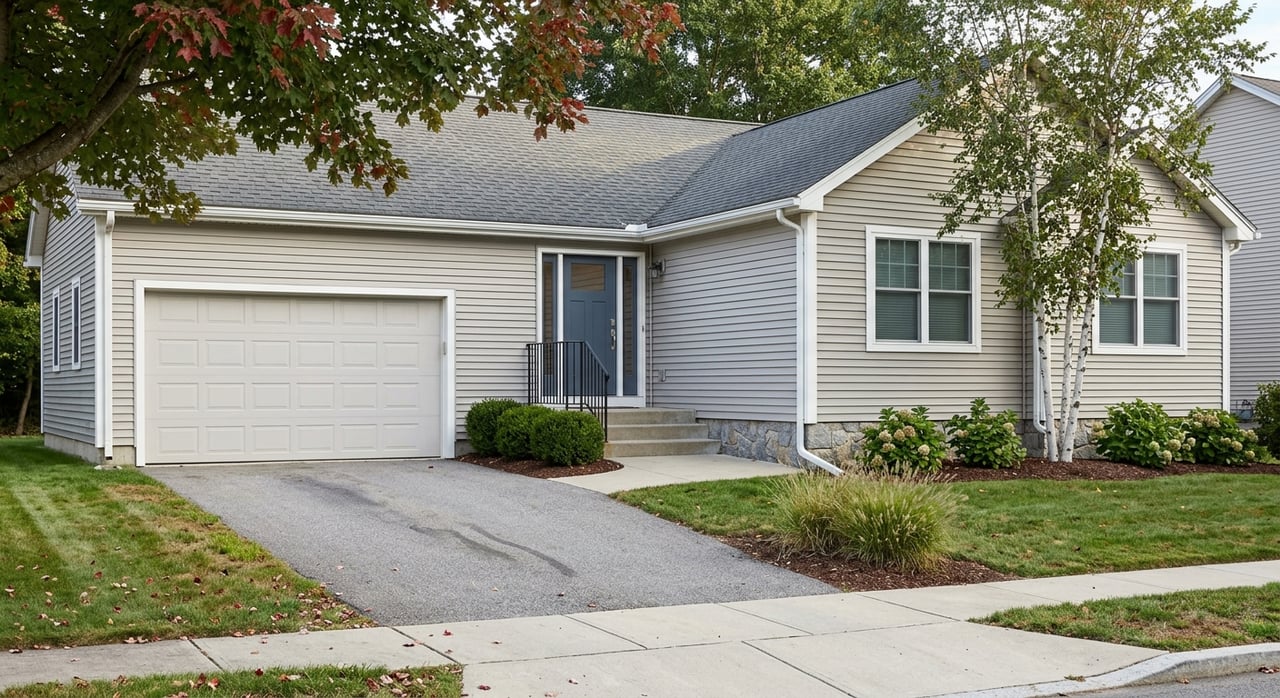
Salem offers traditional single-family homes along with condo and townhouse options. Newer development around Tuscan Village has added apartments and townhouses to the mix, which gives buyers and renters more low-maintenance choices than they may expect.
That matters if you are comparing Salem to towns where inventory feels more one-note. Whether you want yard space, simpler upkeep, or something newer, Salem tends to offer a broader range than many buyers first assume.
Salem has also updated its accessory dwelling unit rules. The town’s 2025 ADU update allows one attached or detached accessory dwelling unit per single-family home.
For you, that can mean more flexibility for multigenerational living, guest space, or supplemental use of the property. It does not guarantee that every home will suit that setup, but it does expand the conversation for buyers who want options.
If you are considering a move to Salem, you should go in with realistic expectations on price. Salem runs somewhat above the statewide median in both income and housing values.
Census QuickFacts shows Salem’s median household income at $110,490, compared with $99,031 statewide. The median owner-occupied home value in Salem is $473,300, compared with $402,500 statewide. That tells you Salem is part of the higher-cost side of the southern New Hampshire market.
The Census reports median monthly owner costs of $2,504 with a mortgage and $1,039 without a mortgage. For renters, the median gross rent is $1,625, which is also above the statewide median of $1,491.
These are not meant to replace your personal budget planning, but they are useful for setting expectations. If you are moving from a nearby Massachusetts market, Salem may still feel competitive in some cases, but you should still look closely at your total monthly cost.
Property taxes are an important part of that monthly picture. Salem’s 2025 property tax rate was $18.16 per $1,000 of assessed value.
Using a rough example, a home assessed at $500,000 would carry about $9,080 in annual property tax at that rate. Since New Hampshire does not have a broad-based sales tax, property taxes are an especially important line item to review when you compare towns.
For many buyers, Salem’s location is a big part of the appeal. If you work in southern New Hampshire or cross into Massachusetts regularly, Salem can feel well positioned.
The Census estimates a mean travel time to work of 29.0 minutes. Still, your real-world experience will depend a lot on where you are going, when you leave, and how often you need to travel through the busier retail corridors.
Salem is still very much a car-first town. The local road network centers on I-93 and Route 28, and the town’s traffic camera system highlights common congestion points near Exit 2 and several Route 28 and Rockingham Park Boulevard intersections.
In simple terms, commuting can be manageable, but traffic is part of the equation. If you are planning a regular border-area commute, route choice and timing matter.
Salem also has a few transit options that can help in certain situations. The town participates in CART, which offers low-cost on-demand service and a free Salem Shopper Shuttle on Monday, Wednesday, and Friday mornings.
MeVa also announced a new Route 28 service starting April 6, 2026, running from the Lawrence, Massachusetts MBTA station through Methuen into Salem. Salem stops include Aldi’s, Target, Tuscan Village, and Mass General Brigham. The pilot service is fare-free.
For most households, these services are likely to supplement driving rather than replace it. Still, they add useful flexibility for some trips and some routines.
A move is about more than the house itself. You also want to know what daily life feels like once the boxes are unpacked.
Salem stands out for convenience. Tuscan Village is a major mixed-use redevelopment on the former Rockingham Park site, and the town says it is expected to deliver about 2.8 million square feet of retail, restaurants, hotels, entertainment, office space, and housing.
The town projects the development will generate about 6,000 permanent jobs and about $11 million in annual tax revenue. Phase I includes Market Basket and a Ford dealership, with additional medical, cinema, hotel, and restaurant uses planned.
Tuscan Village also highlights year-round events and a walkable mix of shopping and dining. That gives Salem a more active, built-in convenience level than many suburban towns of similar size.
Salem also offers a solid mix of local recreation. Canobie Lake Park features more than 85 rides, games, and attractions, while the Salem Bike-Ped Corridor provides a paved multi-use trail.
You will also find the Salem Town Forest, a 347-acre public forest with miles of trails, and Hedgehog Park, which includes swimming, fishing, a playground, picnic tables, and walking trails. These places help round out Salem’s identity beyond its busy commercial areas.
Salem can work well for several kinds of buyers and movers. If you want a southern New Hampshire location with strong shopping, dining, and commuter access, Salem offers a practical mix.
It may also appeal to you if you want housing choices beyond the standard suburban single-family search. Between established neighborhoods, condo and townhouse options, newer development, and ADU flexibility, the town supports a wider range of living setups than some nearby communities.
At the same time, it is smart to go in knowing Salem is not a bargain market. Home values, rents, and tax considerations all deserve a close look. The goal is not just to like the town, but to make sure the numbers and the lifestyle fit your day-to-day needs.
If you are considering a move to Salem, the biggest takeaway is balance. Salem offers strong location benefits, a broad housing mix, major everyday conveniences, and good access to the southern New Hampshire and northern Massachusetts corridor.
The tradeoff is that you should expect a relatively higher-cost market than some other parts of New Hampshire. If you want clear guidance on how Salem compares with nearby towns and what kind of property may fit your goals, O'Connell & Company Real Estate can help you make sense of the options.

We offer ultimate privacy and security, speed, and efficiency. Our years of full-time experience have given us a clear understanding of the mindset of home buyers and sellers and a thorough understanding of the regional marketplace.