Living in Lowell MA: What Daily Life Is Really Like
May 14, 2026
May 14, 2026
If you want a city with real history, varied housing options, and plenty to do beyond your front door, Lowell deserves a closer look. For many buyers and renters, the challenge is finding a place that feels lively and connected without giving up everyday convenience. In Lowell, you get a mix of historic character, riverfront trails, neighborhood variety, and regional access that can fit a range of lifestyles. Let’s dive in.
Lowell is not a cookie-cutter city. Founded in 1826 and incorporated in 1836, it grew from its industrial roots into one of Massachusetts’ largest municipalities, with an estimated 2024 population of 120,418.
That history still shows up in daily life. The city’s mills, canals, churches, commercial buildings, homes, and parks are woven into the places where people live, work, and spend time. Lowell includes 14 National Register districts, 26 individually listed properties, and one National Historic Landmark district.
For you as a resident, that means Lowell often feels textured and established rather than brand new or generic. Downtown, especially, blends historic buildings, canals, and active commercial spaces in a way that gives the city a strong identity.
One of the biggest reasons people consider Lowell is housing variety. The city’s housing profile shows a mixed-tenure market, with 43.2% owner-occupied housing, a median owner-occupied value of $429,200, and a median gross rent of $1,625.
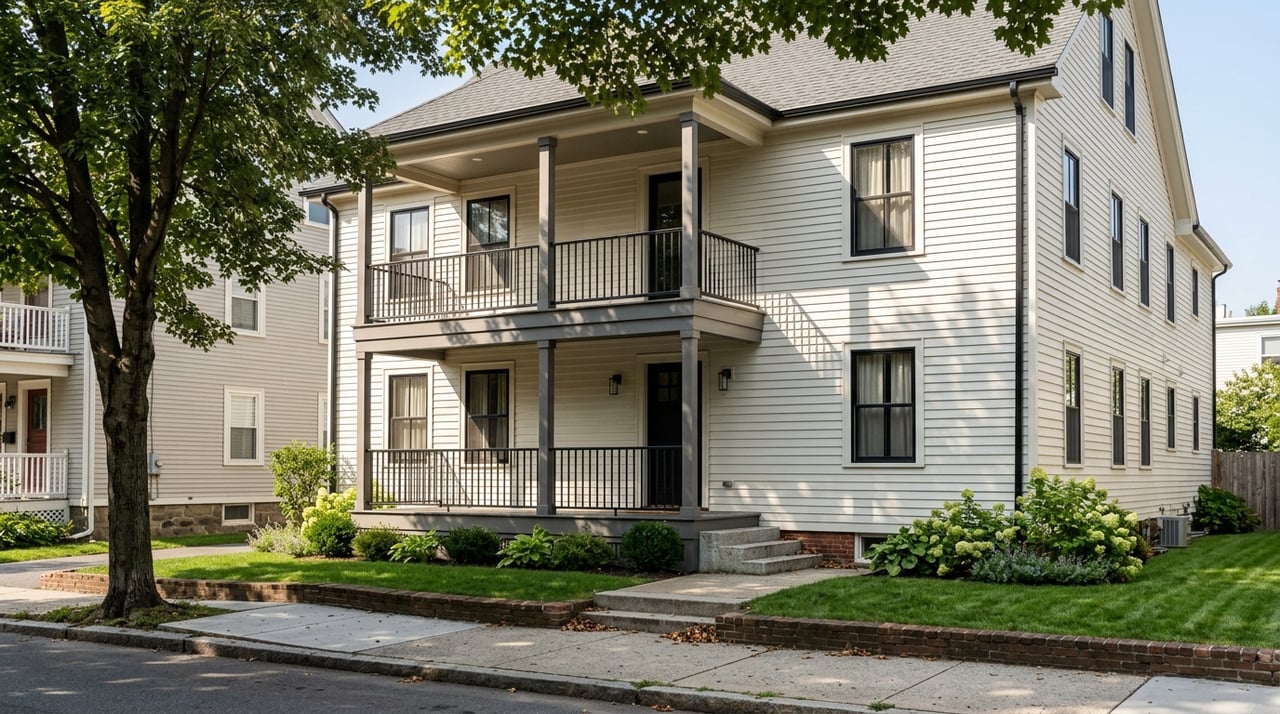
If you are trying to match your home search to your lifestyle, Lowell gives you several practical lanes to explore. Based on the city’s zoning structure, you can think about the market in three broad ways: urban-core living, more traditional neighborhood settings, and suburban-edge areas.
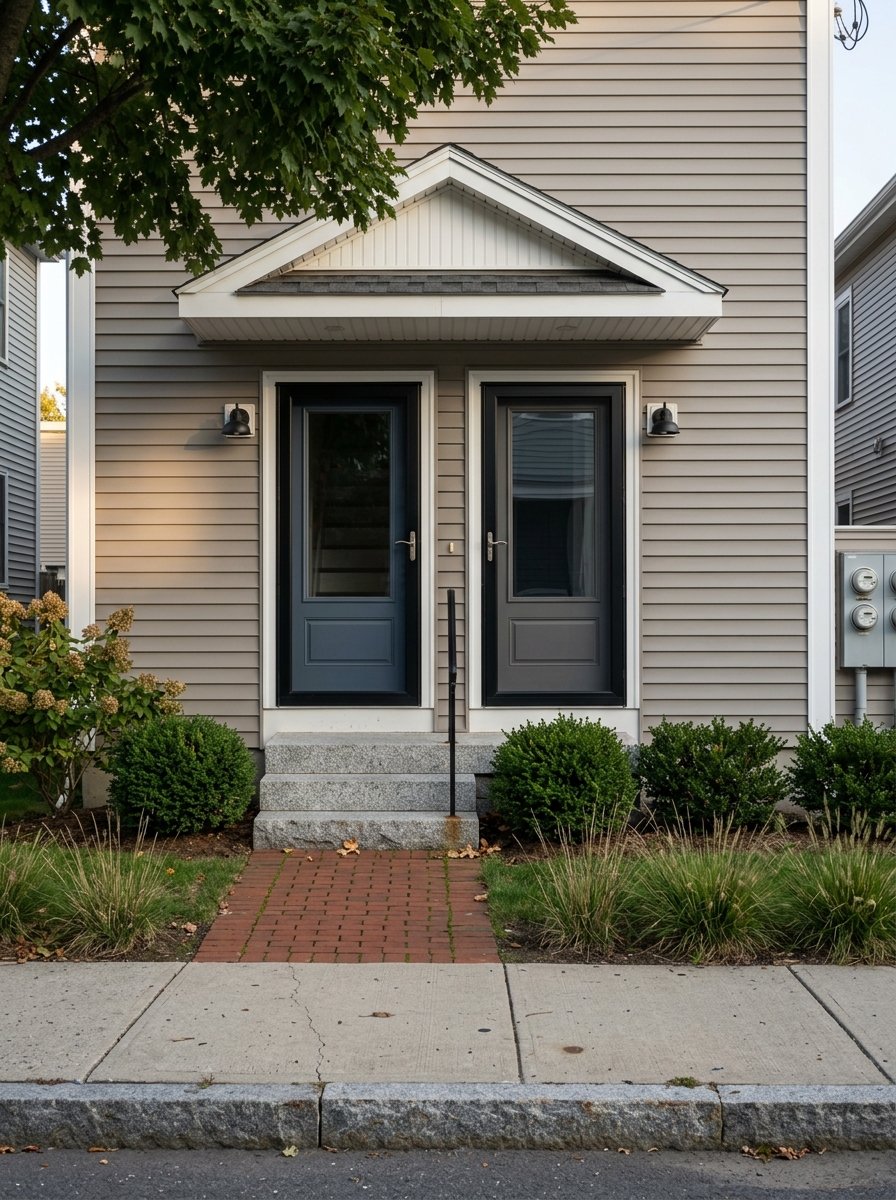
If you like being closer to downtown activity, Lowell offers condo and multifamily options tied to a more urban setting. The city’s zoning framework allows multifamily development in urban districts and includes overlay districts intended to support transit-oriented housing.
This kind of setup may appeal to you if you want shorter trips to restaurants, events, trails, and transit connections. It can also be a fit if you prefer lower-maintenance living compared with a larger single-family property.
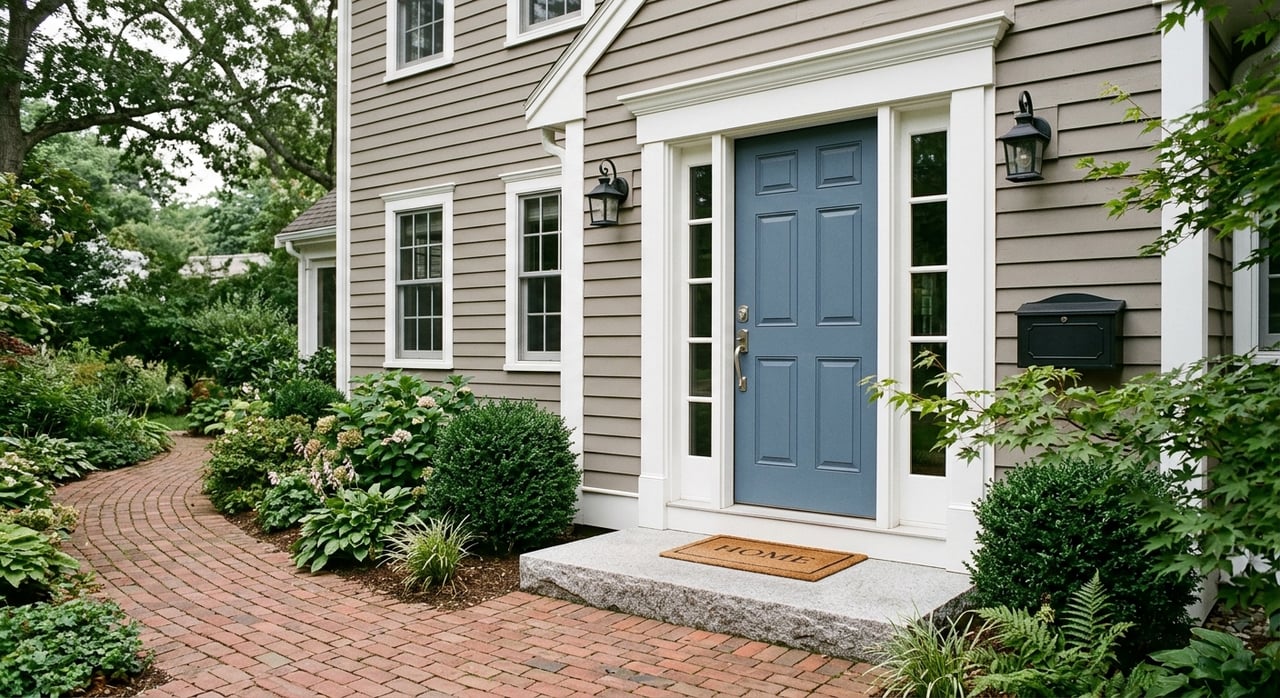
Traditional residential districts in Lowell emphasize single-family homes but also allow two-family homes, with some multifamily opportunities by special permit. For buyers, that can create a middle ground between dense downtown living and more spread-out areas.
If you are drawn to older homes, multi-unit possibilities, or neighborhoods with an established feel, this part of the market may be worth a close look. Lowell’s historic character often shows up strongly in these settings.
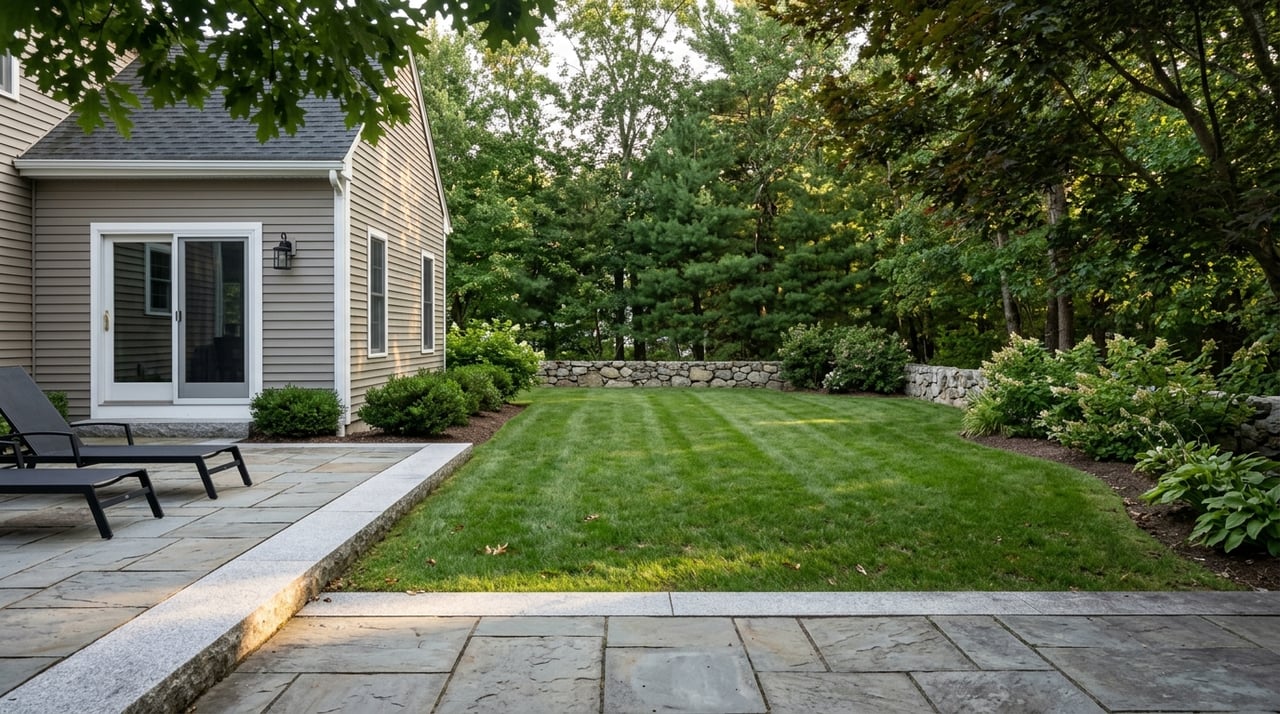
Lowell also includes suburban-style residential districts that emphasize single-family homes while allowing suburban-scale apartment and condominium development. These areas may appeal to you if yard space, a more residential street pattern, or a classic single-family layout is high on your list.
The city is also adding housing in mixed formats. One example is the River’s Edge project on the Concord, planned for 180 new units that include a mix of single-family and duplex-style homes.
A big part of living in Lowell is access to outdoor space. The city says it has more than 75 parks, more than 500 acres of land, and more than 90 parks and playgrounds open for public use during daylight hours.
That scale matters because it gives you options in different parts of the city. Whether you want a quick walk, a place to bring kids to a playground, or room for exercise, Lowell has a stronger park network than many people expect from an older industrial city.
South Common is a good example. This 20.31-acre historic park includes an athletic field, running track, playground, basketball court, tennis court, multi-use path, stage, rain garden, and arboretum.
Lowell’s waterways are not just part of its past. They are part of the current lifestyle. The National Park Service says the city’s canal system was nearly six miles long, and almost all of it remains intact and functional.
Today, restored canal and river walkways work as urban trails. Walking routes include the Riverwalk Ramble, Heritage Hike, Redevelopment Rove, and Waterpower Walk, which help connect history, scenery, and downtown activity.
The Concord River Greenway adds to that experience. The city says 2,700 linear feet of multi-use path have been built so far, along with more than 53,000 square feet of green space that has been created or refurbished.
If you enjoy getting outside without leaving the city, this is one of Lowell’s biggest advantages. You can find places to walk, bike, and spend time near the water while still staying close to everyday amenities.
Some cities feel quiet outside of work hours. Lowell is not one of them. The city’s Office of Cultural Affairs & Special Events supports a busy lineup that includes the Lowell Folk Festival, Kinetic Sculpture Race, Blues ’n’ Brews, Puerto Rican Festival, and Southeast Asian Water Festival.
This gives residents a built-in calendar of things to do throughout the year. It also adds to Lowell’s identity as a place where public events and culture are part of daily community life.
The Lowell Folk Festival stands out in particular. According to the National Park Service, it is one of the largest free folk festivals in the world and brings artists, craftspeople, musicians, and food vendors into downtown.
Beyond festivals, Lowell also offers established venues like Lowell Memorial Auditorium, the Lowell Summer Music Series, and Merrimack Repertory Theatre. If you value having entertainment nearby without needing to head into Boston for everything, that is a meaningful plus.
Dining is one of Lowell’s most distinctive lifestyle features. The downtown restaurant scene reflects the city’s immigrant history, with Greek, Vietnamese, and Cambodian food all part of the local mix.
For you as a resident, that means everyday dining can feel more varied and interesting than in many similarly sized markets. It also means local food culture is tied to the people and communities that have shaped the city over time.
The city’s HIVE Public Market at 101 Paige St adds another layer to that downtown energy. It helps show how Lowell continues to blend older historic character with newer mixed-use activity.
Lowell’s population helps shape its day-to-day feel. Recent ACS data shows that 30.5% of residents are foreign-born, and 43.3% of households speak a language other than English at home.
Those numbers help explain why the city’s cultural events, restaurants, and neighborhood life feel so layered. For many people, that diversity is part of what makes Lowell interesting, welcoming, and dynamic.
Lowell works well for people who want options. The city sits at the intersection of Routes 3 and 495, which supports regional travel by car, and Gallagher Transportation Center serves as a key hub for MBTA commuter rail and LRTA bus service.
That setup can be especially useful if your routine mixes local errands, regional commuting, and occasional transit use. LRTA also provides a city and suburban bus network, along with ADA paratransit and parking connections.
The city is also working on long-term transportation improvements through its GoLowell plan. That plan focuses on better bus service, safer pedestrian crossings, bike lanes, and stronger links between neighborhoods, transit stops, and riverfront destinations.
For most people, Lowell is better described as a city with a mix of transit, walkability, and highway access rather than a fully car-free place. Depending on where you live and work, you may still want a car for convenience.
That said, if you value having more than one way to get around, Lowell offers a practical balance. You can use transit, enjoy walkable areas, and still tap into major road access when needed.
Lowell can appeal to several kinds of buyers and renters. If you enjoy historic settings, city amenities, and a more varied housing stock, the city offers a lot to consider.
You may find Lowell especially appealing if you want:
At the same time, your best fit will depend on your priorities. If you want a very suburban feel everywhere, Lowell may feel more layered and urban than some nearby towns. If you want energy, history, and everyday convenience in one place, that mix can be exactly the point.
In practical terms, living in Lowell often means having more around you. You have history in the architecture, outdoor options along parks and waterways, a steady stream of events, and neighborhoods that do not all look or live the same way.
That variety is one of Lowell’s biggest strengths. You can look for a downtown condo, a two-family property, a traditional single-family home, or a suburban-edge setting and still stay within the same city.
If you are considering a move here, it helps to explore Lowell by lifestyle rather than by name alone. Think about how you want to live day to day, then match that to the parts of the city that support it best.
If you want help understanding Lowell’s neighborhoods, housing options, or what type of property may fit your goals, O'Connell & Company Real Estate is here to give you clear, local guidance every step of the way.


We offer ultimate privacy and security, speed, and efficiency. Our years of full-time experience have given us a clear understanding of the mindset of home buyers and sellers and a thorough understanding of the regional marketplace.